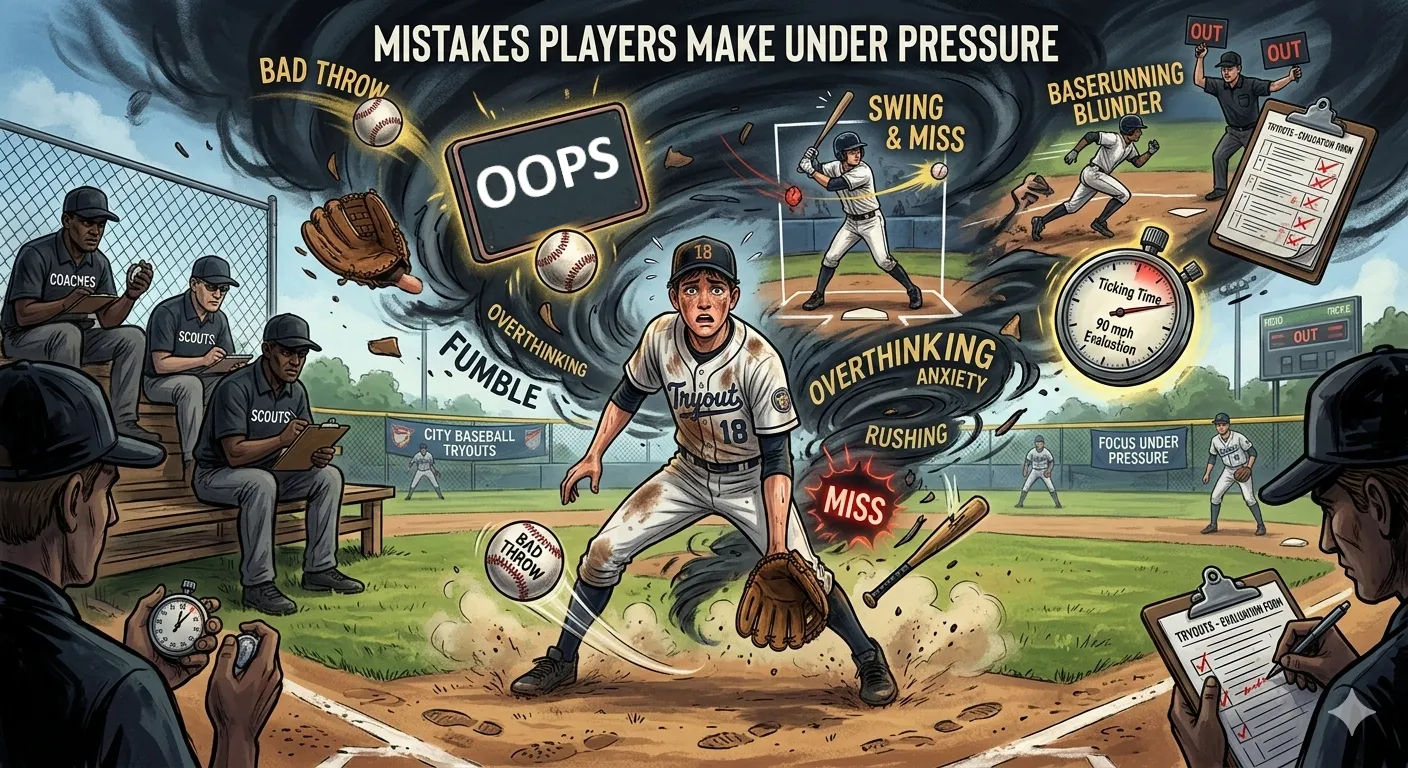
Every baseball season produces the same temptation.
A pitcher struggles for a few outings. Velocity dips. Command disappears. Maybe the arm slot looks different. Maybe the stride direction is a mess. Somebody watches video, spots a flaw, and immediately asks the question:
"Why don't they just fix it?"
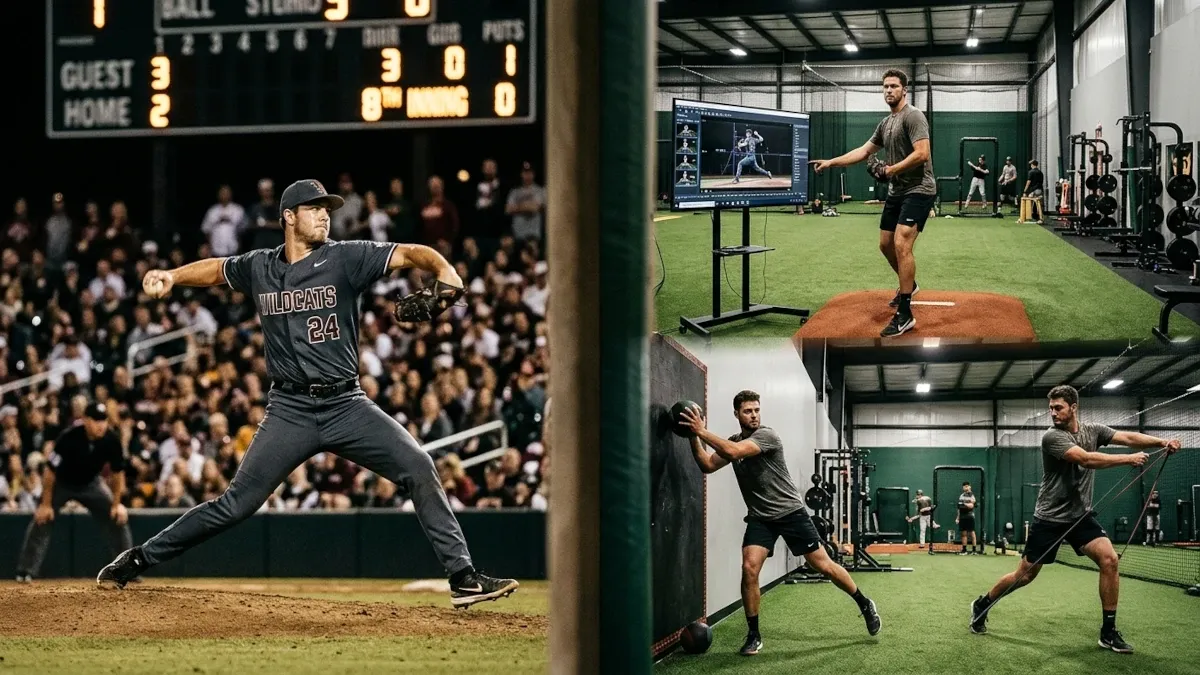
Because baseball isn't a laboratory. It's a game played under pressure.
And pressure changes everything.
Many parents, coaches, and even players assume mechanical development should happen continuously throughout the year. Sounds logical. If something is broken, fix it. Right?
Not exactly.
The competitive season exists for performance. The offseason exists for adaptation.
Those sound similar. They're not.
Trying to rebuild major movement patterns in the middle of a season is a little like deciding to remodel your house while you're still hosting guests every weekend. Sure, the upgrades might eventually be worth it. Good luck functioning while walls are being torn apart.
That's what happens when a pitcher starts consciously thinking about every piece of a delivery during games that count.
Instead of competing, they're performing a checklist.
Lead with the hip.
Stay closed longer.
Get more separation.
Shorten the arm stroke.
Land differently.
Suddenly a kid who used to attack hitters is standing on the mound trying to remember six mechanical cues at once.
The result is often exactly what you'd expect: worse command, reduced athleticism, less confidence, and plenty of frustration.
This is where periodization enters the conversation.
Good training isn't about doing everything all the time. It's about emphasizing the right thing at the right time.
Strength coaches figured this out decades ago. You wouldn't expect an athlete to chase a one-rep squat max while simultaneously trying to recover for a championship game. Different phases have different priorities.
Pitching development works the same way.
During the season, the priority is usually maintaining physical qualities, staying healthy, making small adjustments, and competing at the highest level possible. Mechanical tweaks may happen around the edges, but wholesale reconstruction is generally a bad bet.
The offseason creates something incredibly valuable: room to fail.
That's the part people overlook.
Mechanical change requires temporary performance drops. Sometimes significant ones.
A pitcher learning a new stride pattern might lose command for weeks. A player changing how they load the back hip may see velocity disappear before it comes back stronger. Improving hip-to-shoulder separation often feels awkward before it becomes automatic.
Those ugly stages are normal.
They're also impossible to tolerate when every weekend comes with box scores, rankings, playoff races, and coaches judging results.
Take away the competitive pressure and suddenly real development becomes possible.
This philosophy sits at the center of many modern player-development systems. Organizations like Driveline Baseball have built much of their developmental approach around structured offseason blocks. The goal isn't random tinkering. It's deliberate rebuilding.
The process usually starts from the ground up.
Movement quality.
Force production.
Stride direction.
Pelvic control.
Timing.
Separation.
Throwing patterns.
Each layer gets attention before the player is asked to express it in competition.
That sequence matters.
A lot.
Because mechanics are rarely the problem by themselves. They're often the visible symptom of physical limitations, mobility restrictions, strength deficits, timing issues, or inefficient movement strategies underneath.
Fixing the symptom without addressing the foundation is like repainting a wall that's hiding a structural crack.
Looks better for a while. Doesn't actually solve much.
The pitchers who make meaningful jumps from one season to the next often don't spend the winter searching for magic cues. They spend it building better movement patterns and letting new mechanics emerge from better physical capacity.
Then comes spring.
Then comes competition.
Then comes the time to stop rebuilding and start trusting.
That's the part many players struggle with. Once the season arrives, development-minded athletes want to keep improving every week. Admirable instinct. Usually the wrong move.
At some point, the mechanic work has to give way to performance.
The hitter doesn't care how perfectly your hips rotate.
The radar gun doesn't care how many biomechanics videos you watched.
The scoreboard definitely doesn't care.
Competitive seasons reward execution, not experimentation.
Which is why the smartest development plan often feels surprisingly boring: compete during the season, rebuild during the offseason, and resist the urge to blur the two.
It's not as exciting as a midseason overhaul.
It's just how meaningful change usually sticks.