The biggest problem with a used bat isn't what you can see. It's what you can't. A bat can look almost brand new and still be much closer to the end of its life than the beginning.
A used youth baseball bat can be one of the best bargains in the game.
Or one of the worst.
That's the tradeoff every parent faces when scrolling through Facebook Marketplace, browsing eBay, or meeting someone in a parking lot to save a few hundred bucks on a bat. The savings can be real. Some high-end youth bats lose a lot of value the moment they're no longer considered new, even if they still have plenty of performance left.
But there's one major risk that hangs over every used bat purchase:
You don't know how much life is left in it.
That's especially true with composite bats. Unlike a glove that wears in gradually or a cleat that eventually falls apart, a bat can hide internal damage that isn't obvious at first glance. What looks like a great deal today can turn into an expensive mistake after a few batting practice sessions.
That's why the inspection starts the moment the bat arrives.
Don't wait until the return window closes. Don't stick it in the garage and plan to check it next weekend. Inspect it immediately.
Start with the obvious stuff.
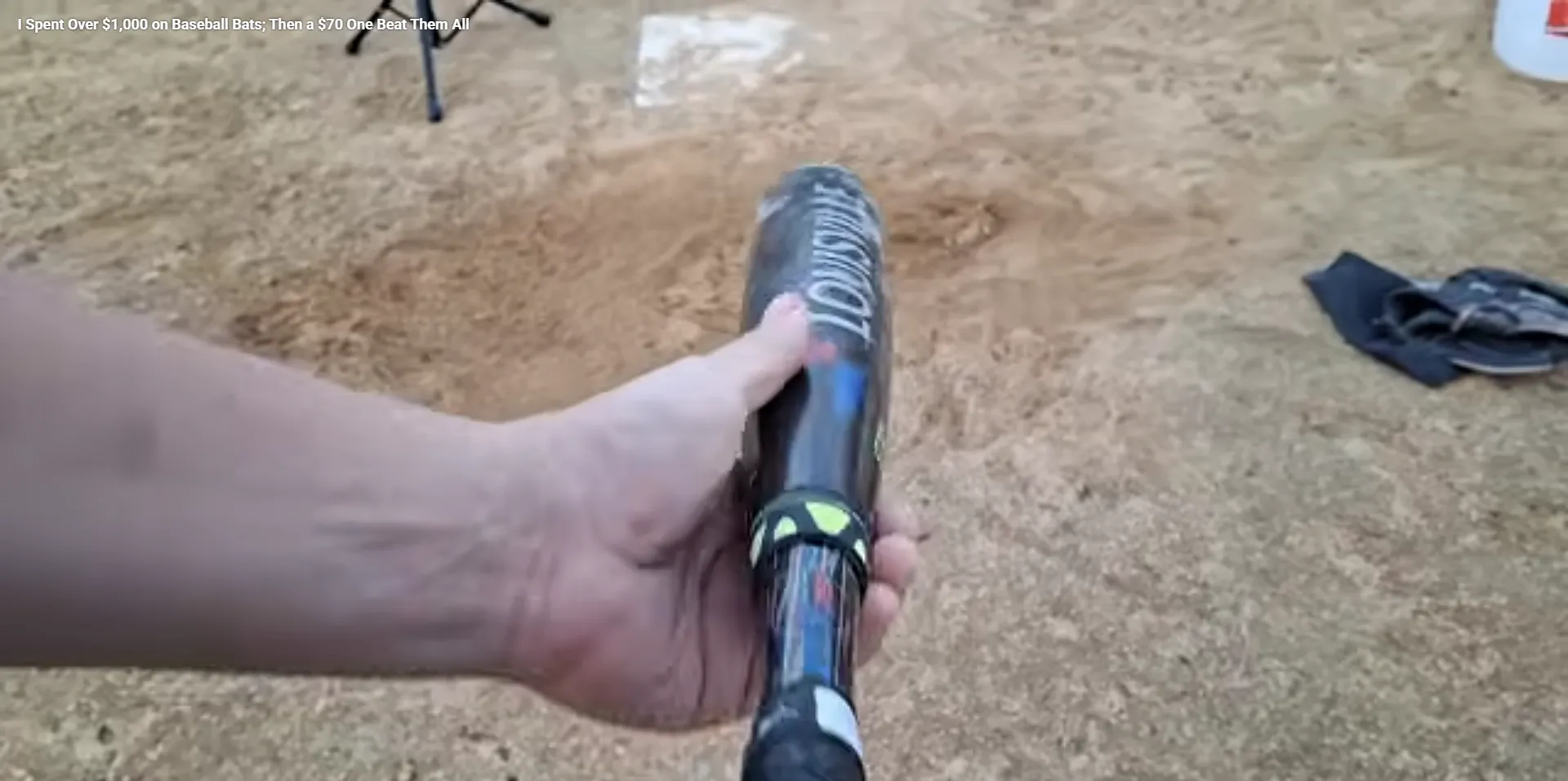
Look for cracks.
They can show up anywhere, but pay close attention to the barrel and taper areas. A crack doesn't always look dramatic. Sometimes it's a long hairline fracture that runs with the graphics, making it easy to miss. Turn the bat slowly under good lighting and inspect every inch of it.
Next, look for dents.
Dents are more common on alloy bats, but they matter just as much. Even a small dent can affect performance and durability. If the barrel has a flat spot or an area that looks pushed inward, that's a red flag.
Then look for anything unusual.
That's intentionally vague because unusual can mean a lot of things. Maybe the graphics are wrinkled in one location. Maybe there's a section that feels softer than the rest of the barrel. Maybe one area has a strange rattle when shaken.
Trust your instincts.
If something doesn't look right, send it back.
Seriously.
Many buyers talk themselves into keeping a questionable bat because they got a good deal. That's usually a mistake. If you're already uneasy before the first swing, that feeling probably won't disappear later.
Once the visual inspection is complete, it's time for the test that really matters.
Take the bat to a field.
Put a baseball on a tee and start hitting.
This part is important because some problems only show themselves during contact. A bat can pass a visual inspection and still have performance issues hidden inside the barrel.
Don't just stand in one spot and hammer balls off the sweet spot.
Move the tee around.
Hit pitches set higher and lower. Work different contact points. Hit different parts of the barrel intentionally. Try balls off the end of the bat. Try balls closer to the hands. As you do it, rotate the bat slightly between swings.
You're not trying to have the greatest batting practice session of your life.
You're testing the barrel.
Listen closely.
Watch the ball flight.
Pay attention to feel.
What you're looking and listening for are dead spots.
A dead spot is exactly what it sounds like. You square up a baseball, make what feels like good contact, and the ball comes off weak for no obvious reason.
One swing might be a mistake.
Three or four in the same location starts to tell a story.
Maybe every ball hit on a certain section of the barrel dies into the ground. Maybe the sound changes noticeably when contact happens in one area. Maybe the feedback in your hands feels dull compared to the rest of the bat.
Those can be signs that the bat is beginning to wear out internally.
And that's the scary part about buying used.
Internal wear often isn't visible.
A player may have put thousands of swings on the bat before selling it. The barrel could be approaching the end of its useful life while the exterior still looks perfectly fine. You don't get to see that history. You're guessing.
That's why performance testing matters so much.
I've always felt that parents focus heavily on cosmetic condition because it's easy. Shiny paint catches the eye. Clean graphics look impressive. A few scratches can scare buyers away.
The reality is almost the opposite.
I'd rather buy a scratched bat that performs well than a beautiful bat that's dying inside.
Performance is the real asset.
Everything else is decoration.
The other thing to remember is lifespan.
Every bat has one.
Composite bats, in particular, don't last forever. They generally have a rough number of swings before performance starts to level off and eventually decline. The exact number varies depending on the model, how often it's used, the types of balls it's hitting, and how well it's been cared for.
The problem for used-bat buyers is simple:
You have no reliable odometer.
A seller might honestly say the bat was only used for one season. That sounds great until you realize one season for one player might mean 500 swings, while another player's season included weekly lessons, travel ball, tournaments, cage work, and thousands of swings.
Those miles matter.
A lot.
That's why the purchase price should reflect the uncertainty.
If a new bat costs $350 and someone's asking $300 for a used version, that's probably not enough of a discount unless you know its history extremely well. You're taking on risk. You're giving up warranty protection in many cases. You're accepting unknown mileage.
The price should account for that.
Think about the purchase this way: you're not buying a used bat, you're buying the remaining swings in that bat. The challenge is that nobody can tell you exactly how many swings remain.
The better your inspection process, the better your odds.
Look for cracks.
Look for dents.
Look for anything unusual.
If something seems off, don't talk yourself into keeping it.
Then head to a field, grab a tee, and test every part of the barrel. Listen carefully. Watch closely. Pay attention to dead spots and inconsistent performance.
A used youth baseball bat can absolutely be a smart purchase. Plenty of players find great deals and get another season or two out of a quality model.
Just remember what you're really buying.
Not the paint.
Not the brand name.
Not the story the seller tells.
You're buying whatever life is left in that barrel. The closer you get to understanding that before handing over your cash, the better chance you'll walk away with a bargain instead of a disappointment.