If you’ve ever stood behind the backstop during a long bullpen session, you’ve seen it: the slow creep of fatigue, the subtle dip in velocity, the “why does my shoulder feel like it’s made of gravel?” look that pitchers try to hide. It doesn’t matter if we’re talking 10U or college-level flamethrowers… pitching is unnatural. It asks the human arm to behave like a high‑speed catapult thousands of times a year.
And here’s the weird part: the best solution for keeping that arm healthy isn’t some fancy machine or secret program. It’s a $25 loop of stretchy rubber.
Yep. Exercise bands.
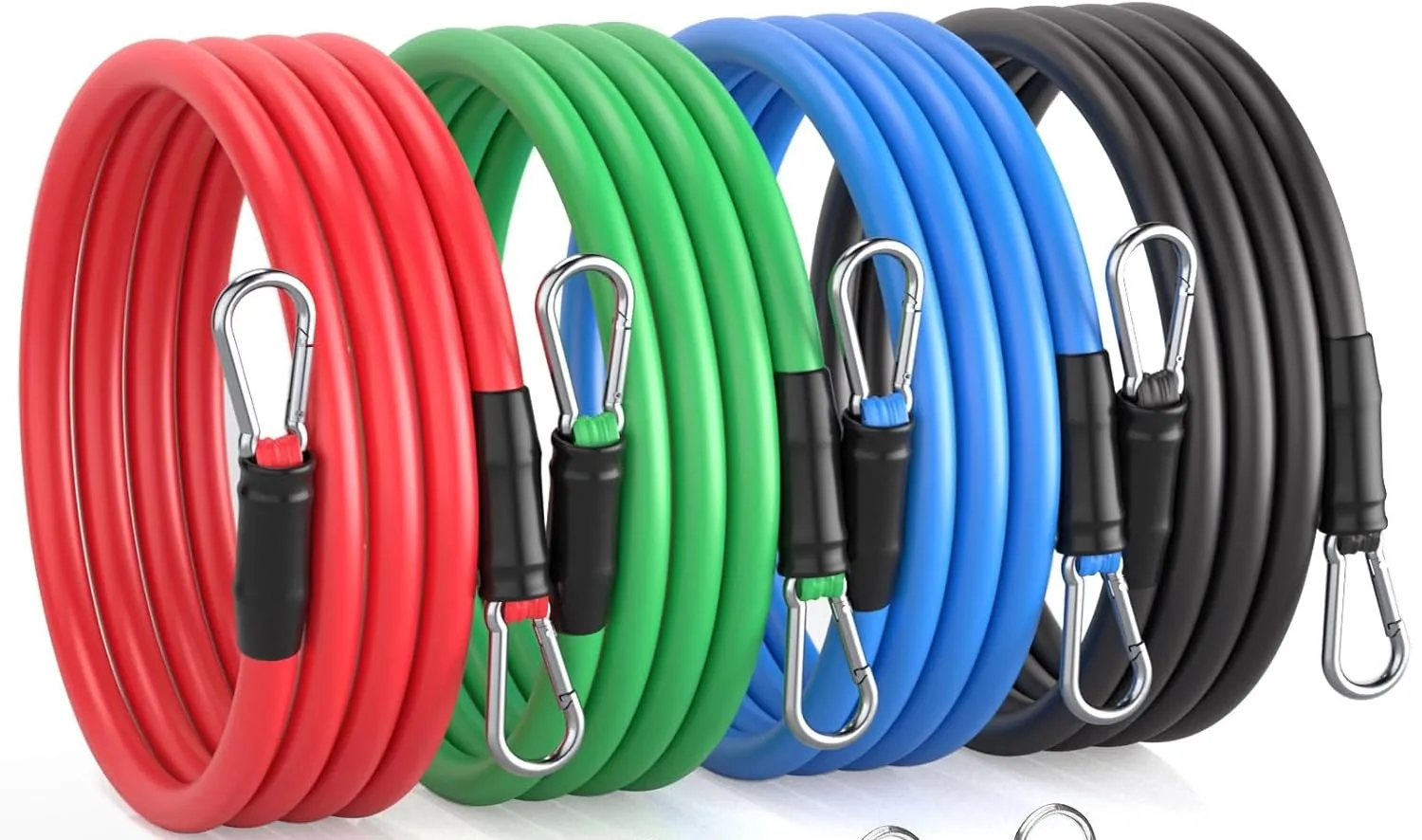
Not glamorous. Not high‑tech. But absurdly effective.
Band work is the most underrated performance tool in softball, and pitchers who skip it usually end up discovering that fact the hard way, right around the time their shoulder starts barking or their spin mysteriously drops off.
Let’s talk about why these goofy little bands matter so much.
They Build the Muscles Pitchers Actually Use
A lot of pitchers think strength means deadlifts, squats, clean pulls… all great, sure, but those aren’t what keep your shoulder from wobbling mid‑whip. The real heroes are the tiny stabilizer muscles buried deep in the shoulder blade and rotator cuff.
They’re not flashy muscles. They don’t get Instagram posts.
But they control the whip path, stabilize the elbow, and keep everything tracking correctly at full speed.
Exercise bands hit those muscles, the ones that prevent the arm from turning into spaghetti.
Bands Fix Mechanics Without “Fixing” Mechanics
Pitchers sometimes chase mechanical issues that are really strength issues in disguise.
That rise ball won’t stay up?
That curve keeps rolling?
That drop feels dead instead of sharp?
Sometimes the problem isn’t the pitch, it’s the arm’s ability to hold the right shape long enough.
Band work builds control. Control = cleaner mechanics. Cleaner mechanics = nastier pitches.
It’s like tightening the bolts on a machine that was already well‑designed.
Less Time Injured = More Time Getting Better
Every coach has met “the pitcher who would be great if she could just stay healthy.”
Bands are injury prevention without calling it injury prevention.
A few minutes of band work makes the arm feel smoother, warmer, safer. It’s pre‑hab disguised as a warmup. The payoff usually shows up months later when other pitchers are icing tendons, and you're just… not.
There’s a reason pro pitchers keep their bands in their backpacks like it’s a lucky charm.
They’re Portable, Simple, and Impossible to Excuse
You can do band workouts:
- in a hotel hallway
- next to your bag at a tournament
- in your bedroom
- between classes
- while waiting for your turn on the field
Bands remove the two biggest excuses:
“I don’t have equipment”
and
“I don’t have time.”
A full shoulder activation routine takes less than five minutes.
Every pitcher has five minutes.
They Build the Kind of Power That Lasts an Entire Game
Pitchers who rely only on big-muscle strength can throw hard until they can’t.
The velocity starts hot, then fades.
Band-trained pitchers are different. Their whip stays snappy in the 5th inning. Their spin stays tight. Their release stays consistent even when they’re deep into a showcase weekend and running on fumes.
Bands build endurance in the exact muscles that matter for the whip.
Nothing substitutes for that.
So Here’s the Unfiltered Truth
Pitchers who use exercise bands consistently just… perform better. They’re healthier, cleaner, more explosive, and more consistent. The band isn’t magic; it just trains the arm the way the arm actually works during a pitch.
If you’re a pitcher and you’re not using bands?
You’re leaving velocity, spin, and longevity on the table.
And those are three things pitchers can’t afford to give up.
Need some exercises? Check out these 5 Band Exercises Every Softball Pitcher Needs