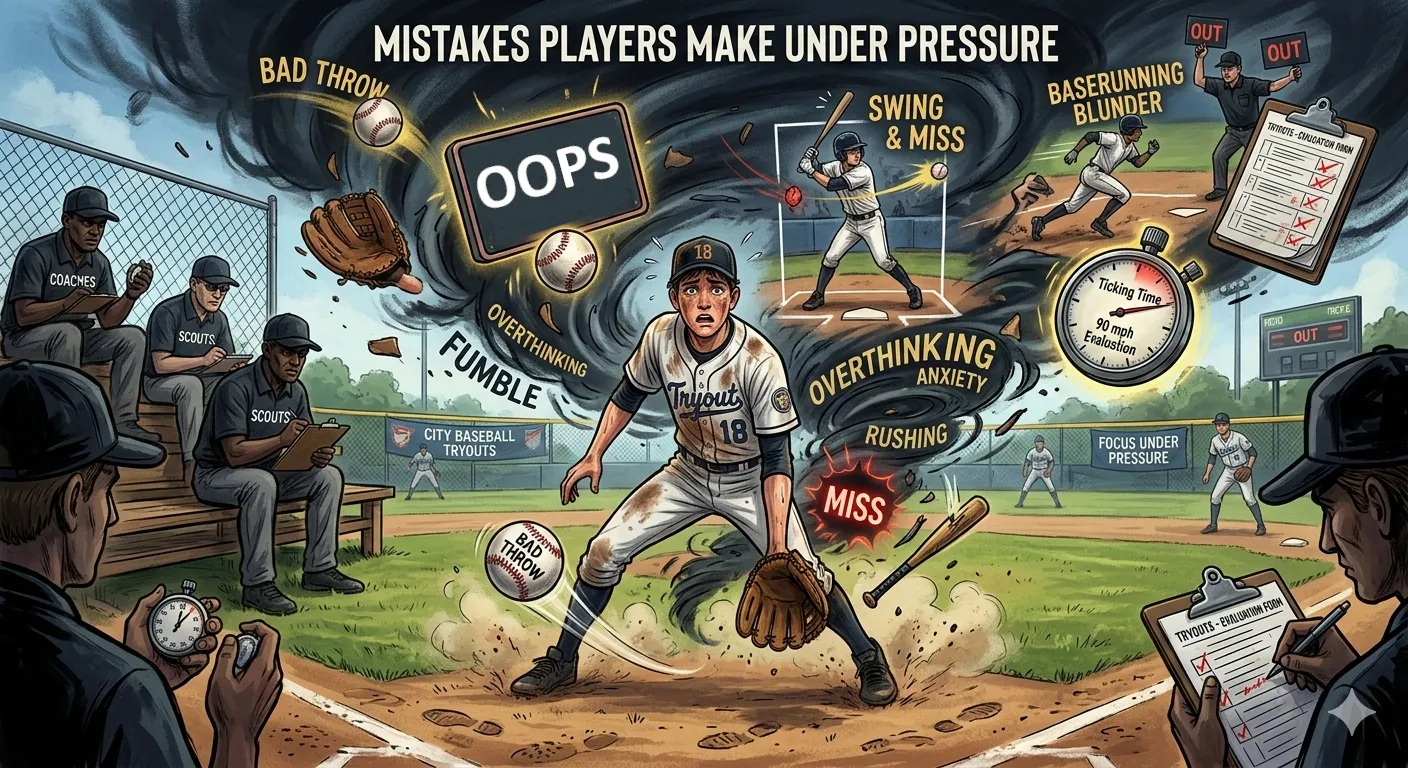
My son is one of those kids who looks like baseball was wired directly into his DNA. When he’s loose, when he’s not thinking, not overanalyzing, not trying to predict the next fifty pitches, he plays with this wild, natural fluidity. The kind you can’t coach. The kind that makes you lean forward in your seat because you’re watching something honest and unforced.
But when he slips into his own head?
Different story.
It usually starts with one mistake. One strikeout. One bad read on a fly ball. And I swear, I can see the exact second it hits him. His shoulders fall a quarter inch, the jaw tightens, eyes go all glassy. And just like that, the game evaporates, not the actual game, but his game. Everything he does after that is just him trying to outrun the mistake he already made.
And man… that’s a brutal thing to watch as a parent. Because the talent is there. The effort is there. The love for the sport is there. What’s missing is that tiny mental gear that lets you flush a moment and move on. It’s not even a baseball thing; it’s a life thing.
So we tried something different.
We bought this book: How to Flush a Bad Play in 30 Seconds
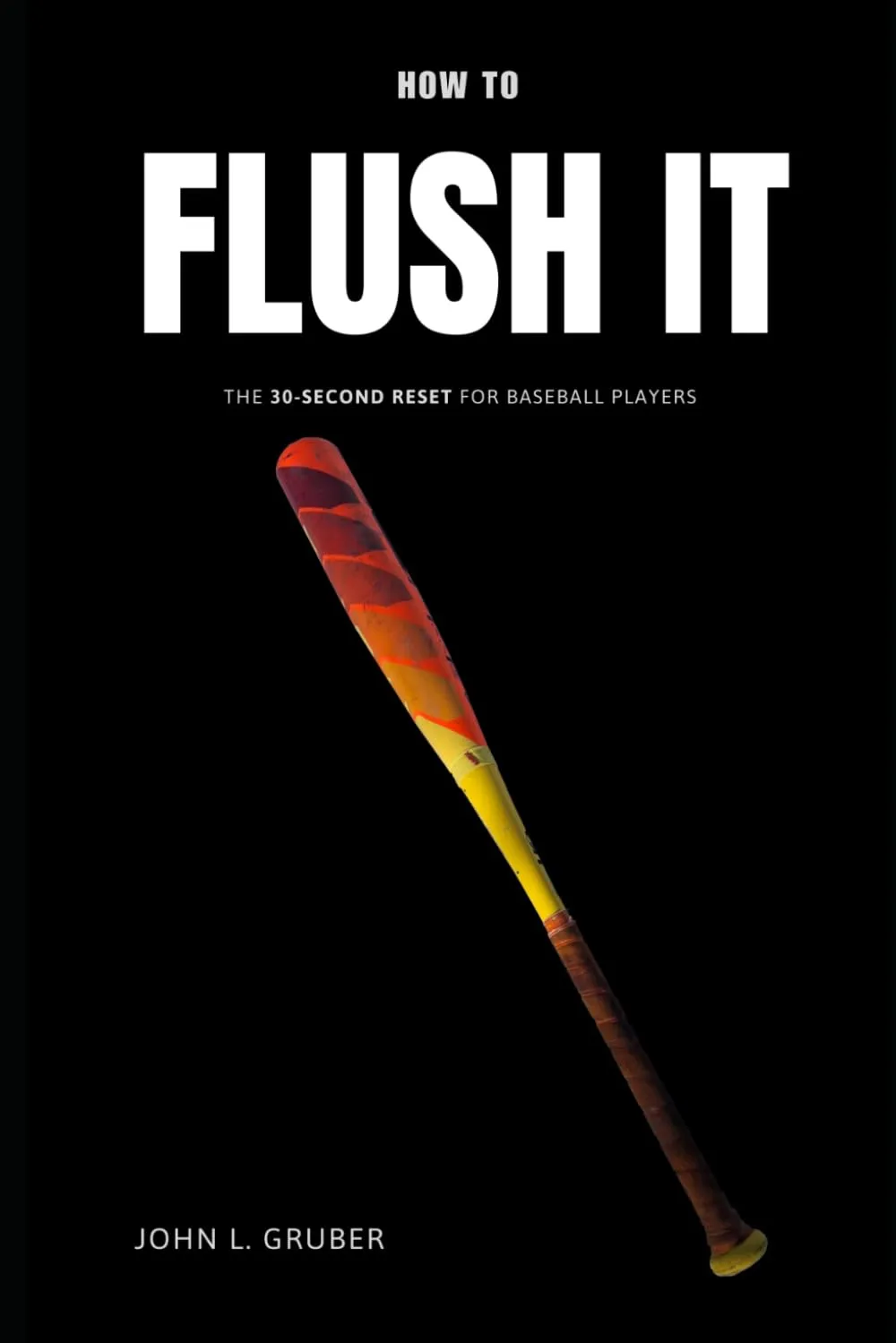
And honestly? I wasn’t expecting magic. I was hoping for maybe one or two decent nuggets he might roll his eyes at, but secretly remember.
But this little thing flipped a switch in him.
Something about the way it’s written, simple, direct, almost like a teammate talking to him instead of an adult lecturing, just worked. It gave him an actual mental routine, a practical way to reset instead of everyone shouting “shake it off” like that’s a button kids can just press on command.
The next game after he read it, he struck out early. Same kind of pitch that would usually send him into that mental spiral. I watched him close his eyes, take one slow breath, tap his helmet something the book suggests, and jog back as if nothing happened.
And he was back.
Like… actually back.
He finished the game loose. Confident. Smiling. That thing inside his chest that used to collapse? It held up. Maybe for the first time.
And I realized something:
For all the reps he puts in, all the drills and cages and early morning practices… the real work wasn’t in his swing. It was in his head.
This book didn’t make him a better baseball player.
It helped him remember the one he already was.
To learn more about the book, check out THE DAY MY KID STOPPED PLAYING AGAINST HIMSELF